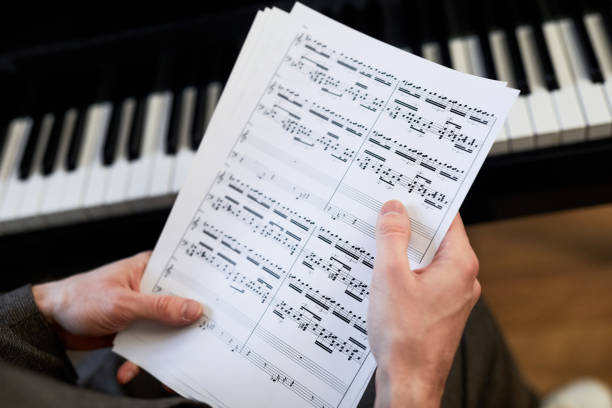
How to Read a Song Sheet in Minutes
Every hymn sheet is like a recipe for music: the lines, notes, and symbols tell you what to sing and when to sing it. You don’t need to be a musician to start – just learn a few key elements. In traditional hymnals, each page shows the melody (tune) and lyrics, often with harmony parts. Focus on the top staff (melody line) and the words. As one hymn expert notes, “if you only know the ‘melody’ of a hymn, you know the soprano part” – that’s the tune everybody sings.
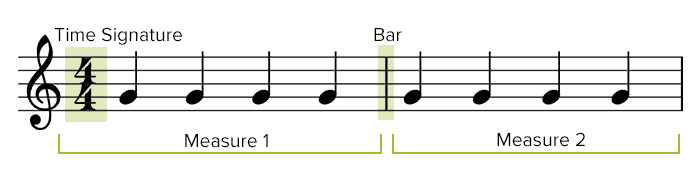
Here are the essentials, step by step. You’ll see two numbers at the very beginning of the staff (or sometimes a “C”). This is the time signature, and it tells you the beat. For example, 4/4 (or “Common Time” shown by a large “C”) means four quarter-note beats per measure. Count it like “1‑2‑3‑4, 1‑2‑3‑4…” for each bar. A 6/8 time signature means six beats per measure with the eighth note as one beat (count “1‑2‑3‑4‑5‑6”). In quick tips:
-
4/4 (common time) – 4 beats per measure (quarter note = 1 beat). Count “1‑2‑3‑4.”
-
3/4 time – 3 beats per measure (often waltz-like). Count “1‑2‑3.”
-
6/8 time – 6 beats per measure (eighth note = 1 beat). Count “1‑2‑3‑4‑5‑6.”
-
“C” symbol – means 4/4 (common time).

Next to the clef you’ll see a key signature: a row of sharps (♯) or flats (♭). This shows which notes are always raised or lowered. In short, the key signature defines the song’s key. For example, one sharp (on the F line) means every F is played as F♯ (that’s the key of G major). Two flats (on B and E) means all B’s are B♭ and all E’s are E♭. If there are no sharps or flats, the key is C (or A minor), and you play only the white keys (no alterations). Tip: Sharps raise notes, flats lower them. The key signature is there so you don’t have to mark each sharp/flat over and over – it applies to the whole hymn.
 Melody Line and Voice Parts
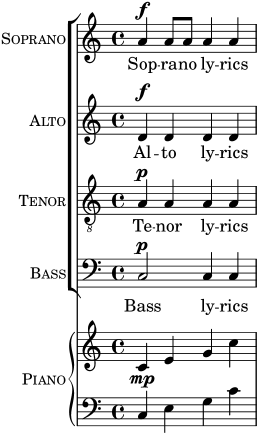
A traditional hymn often has four parts (SATB) written on grand staff lines, but you only need the tune. The melody (the part everyone sings) is usually the soprano line – the top notes in the treble clef. The lyrics you’ll sing are written under that melody staff. The alto, tenor, and bass parts are harmony and can be ignored for now. In practice, most congregants simply follow the soprano notes (or hum along until they recognize the tune). Quick tip: If you’ve ever sung the first line of the hymn by ear, the notes you sang are the soprano (melody).
Verse Structure
Hymns are built in verses (and sometimes a repeated chorus). On the sheet, each verse’s words are usually written below the music. Typically you sing the top line of words for the first verse, then move to the next line of words for the second verse, and so on. For example, verse 1 uses the first lyric line under the notes; when verse 2 comes, you shift to the second line of lyrics under the same notes. (Occasionally a hymn has only one line of lyrics per system; if so, sing those same words for every verse.) Sometimes a hymn has a refrain or chorus printed in bold or indented – if so, sing that after each verse as directed. Keep it simple: the tune doesn’t change, just repeat it for each verse’s words.
Basic Note Reading
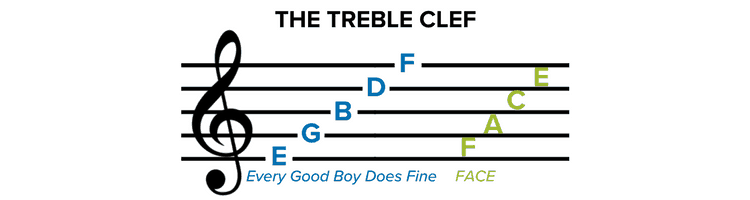 Finally, the notes themselves tell pitch (which note) and length. The staff has 5 lines and 4 spaces, each corresponding to a letter name A–G. In the treble clef, for instance, the bottom line is E and the top line is F (mnemonics like “Every Good Boy Does Fine” help, but just knowing that notes on higher lines mean higher pitches is enough at first). Where the note sits on the staff (line or space) tells you what note to sing.
-
Note names (pitch): The first step is just matching the written note to a pitch. If you find it hard, look at the hymn’s title or key and ask a pianist for the starting note, then follow the steps up/down the scale. Even humming or singing with the congregation will reinforce which staff notes are “low” or “high” in sound.
-
Note values (rhythm): A filled (solid) note head with a stem is usually a quarter note (♩) worth one beat, an open (hollow) note with a stem is a half note (𝅝) worth two beats, and an open note without a stem is a whole note (𝅘𝅥) worth four beats. (A dot after a note adds half its value.) For example, if the hymn is in 4/4 time, one whole note fills a whole measure (4 beats), one half note holds for two beats, etc. Quick tip: Think “quarter = 1 beat, half = 2 beats, whole = 4 beats”.
Start by finding Middle C or a familiar note on the page and counting from there. Remember, you don’t have to identify every line by name. A useful shortcut is to practice with simple, familiar hymns: sing the melody by ear while following the notes visually, and soon you’ll link them together. You’ll quickly notice patterns (scales and steps) in common hymns that make guesswork easier.
You can do this! Don’t worry if it feels slow at first. Even a little reading helps you join the congregation and follow the worship more fully. Many people find that simply recognizing “four counts per measure” and “sing the top notes” is enough to get started. Over time, you’ll notice more: how the melody moves step-by-step, or when to hold a long note. Each hymn is like practice: by verse 3 you’ll feel more confident than verse 1.
Key takeaways: start small, note by note. Use the time signature to keep your beat, follow the sharps/flats from the key signature, and sing the soprano line with the words. With just these basics and a bit of practice (or a friendly pianist to help with the first few notes), you’ll be reading hymns from the song sheet in no time – even without deep music theory training. Enjoy the journey, and let the music carry you!



No comments yet. Be the first to share your thoughts!